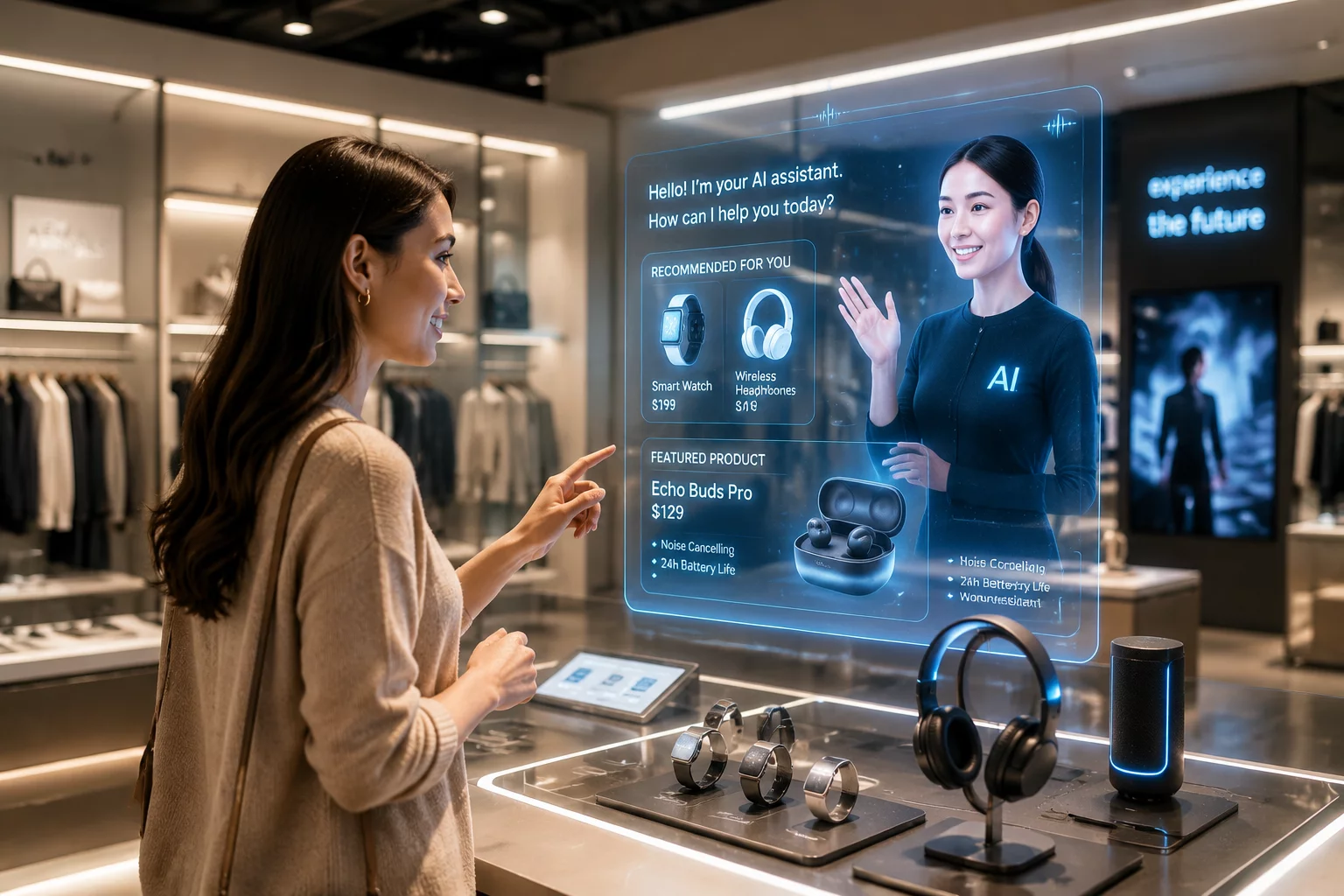
Context-Aware Architectures Fuel Commercial Conversion
The commercial expansion of retail AI assistants crossed the $2.4 billion threshold across the United States in 2026. This milestone reflects an essential architectural pivot away from ungrounded generative dialog. Leading consumer brands discovered that prompt experimentation alone could not resolve catalog discrepancies, incorrect pricing hallucinations, or disconnected warehouse stock data. Instead, engineering teams invested heavily in dynamic context windows that feed structured inventory states and customer purchase histories directly into language models.
By structuring real-time operational context before query execution, shopping assistants maintain strict guardrails around stock availability, return policies, and localized fulfillment options. The emphasis has shifted decisively from generating verbose product descriptions to executing precise conversational checkout flows with verified parameter bindings.
“Retailers recognized early this year that raw LLMs without strict context boundaries hallucinate product specifications. Grounded context engineering transformed conversational commerce from an operational gamble into a dependable, high-margin revenue engine.”— Elena Rostova, VP of Commerce Intelligence at Stratum Analytics
Key Structural Drivers Behind the $2.4B Expansion
The financial surge across US retail ecosystems stems from specific technical advancements implemented across digital point-of-sale platforms and mobile shopping applications:
- Dynamic Inventory Synchronization: Sub-millisecond context retrieval links localized warehouse micro-services to conversation states, eliminating out-of-stock product suggestions.
- Deterministic User Memory Management: Multi-turn session states isolate buyer sizing, color preferences, and dietary restrictions without context bloat or token wastage.
- Integrated Transaction Hand-offs: Structured JSON schema outputs enable customer service bots to apply loyalty discounts and generate secure payment intents natively within the dialog flow.
From Ad-Hoc Prompting to Standardized Context Protocols
As retail organizations scale their autonomous assistant fleets toward the 2027 fiscal cycle, context standardization has become standard operating procedure. Operations managers and prompt architects now utilize structured context worksheets to define exact model parameters, system instructions, and schema bindings prior to deployment. This structured approach ensures reliable buyer interactions across web portals, native mobile apps, and in-store interactive kiosks.
Request Implementation Counseling
Schedule a structured review to apply these findings to your context engineering workflows.
Community Discussion (0)
Write ResponseThis could be your first comment.
Leave a Comment